The restaurants bring in the convenience to the tourist if they are planning to have a meal there. However, since tourist would most likely eat the local food, I would have preferred if the restaurants were managed and cooked by the nearby locals and not the fast-food restaurant that is available everywhere. The locals can not only appreciate the design of the architectural, they can also link the design to the type of food the locals eat, increasing the value to the heritage spot.
However, some fast-food restaurants around the world provide a different kind of food such as McNoodles in Austria, Bubblegum squash McFlurry in Australia; New Zealand to fit the taste of the locals. Hence, it is hard to say whether a certain type of fast food restaurant is not suitable to be in heritage spots.
However, I understand that some must think that having restaurants in heritage spots or opening it to the public is de-valuing it because the tourist may leave marks or litter in it and it might be unsightly. The locals might feel disturbed for having their only sense of identity being opened up to strangers and damaged.
However, the locals should also consider this point the fact that by letting foreign companies take over the heritage spots, the land value will increase, opening more opportunities for other companies to invest in these heritage spots, eventually boosting the economy of the country. Furthermore, these heritage spots will need to have regular maintenance to stabilise the structure and life-long of it, and funding will be needed.
Hence, tourism helps in increasing funding, concluding that tourism adds value to a heritage spot or icon.
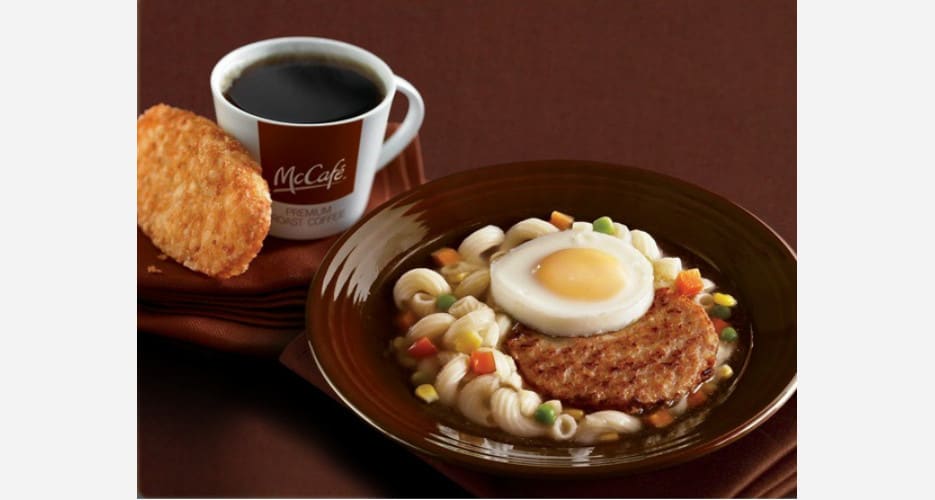
Example of different types of food found all around the world
-Bubblegum squash McFlurry in Australia; New Zealand
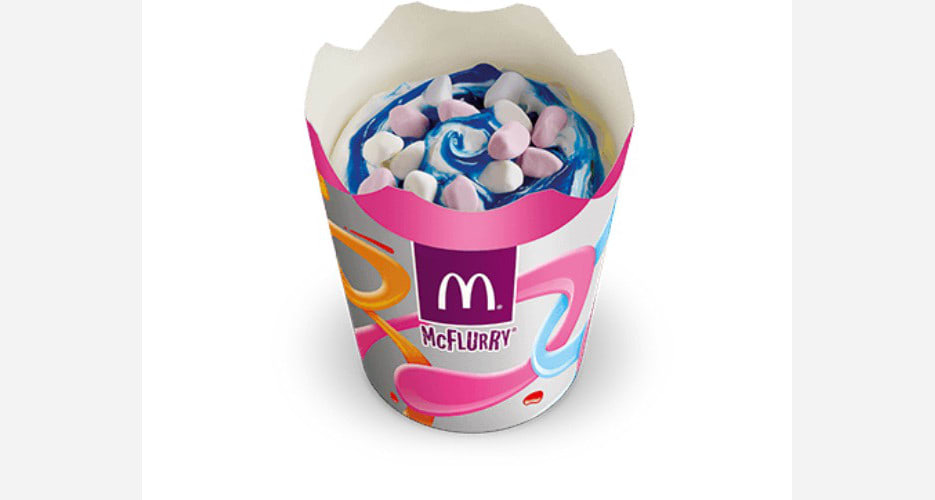
- Sausage and Egg Twisty Pasta Breakfast in China
Reference:
http://firstwefeast.com/eat/craziest-international-mcdonalds-menu-items/chicha-purple-temptation


